Nguruman Escarpment

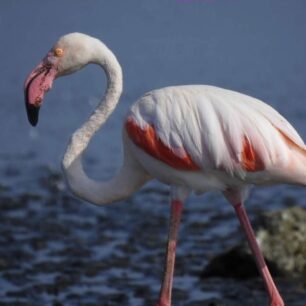
A flamingo standing in the simmering heat near the Nguruman Escarpment. In the picture it is quite easy to spot the rigid bone structure for the neck.
A flamingo standing in the simmering heat near the Nguruman Escarpment. In the picture it is quite easy to spot the rigid bone structure for the neck.
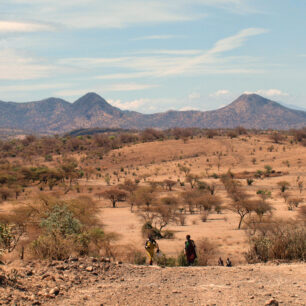
A vast, barren landscape unfolds near Lake Magadi. A few Maasai figures dot the road, dwarfed by scattered acacia trees against a backdrop of rugged, dusty hills. Life is a constant struggle in these semi-arid conditions. The communities inhabiting this region rely heavily on small herds of goats for their survival. These resilient animals endure the harsh dry spells, then flourish when the rains arrive, transforming the landscape with vibrant wildflowers and grasses.
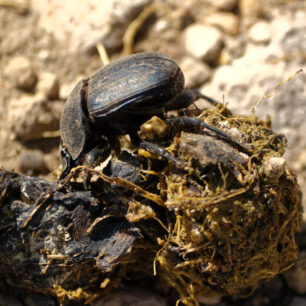
A closeup of a dung beetle rolling a large piece of feces along on the ground. Most likely it will used for a breeding chambers or as a food source in time of scarcity.
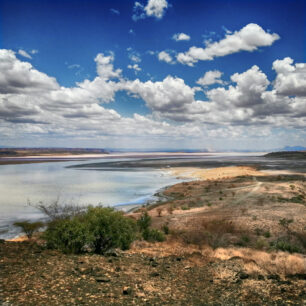
Here we stand atop a small hill near the lake’s edge, a vantage point offering a stunning panorama of the mineral-rich expanse. From this southern viewpoint, you can clearly see the rich mineral deposits forming a white crust along the waterline. Magadi’s climate can become brutally hot in January and February, as humidity from the lake combines with the heat trapped within the rift valley. It’s a landscape that is both stark and rugged, yet undeniably captivating in its unique beauty.
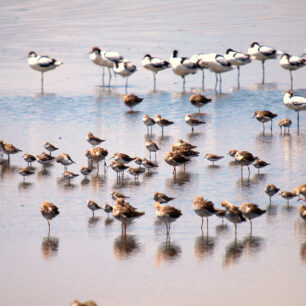
On a very hot February afternoon in Magadi the birds are standing still in the stale air that has the characteristic smell of sulfur from the mineral rich waters
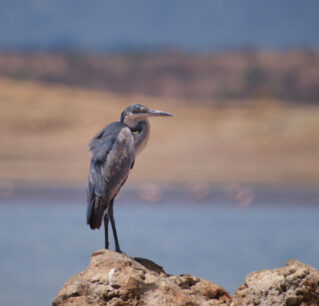
A Grey Heron stands motionless at the edge of Lake Magadi with its eyes closed. It’s midday and the temperature is close to 40 celsius, heat simmers when you focus on the distance and there is very little activity in the bird flocks that traverse the lake for crayfish and other critters that make up their diet. A sense of stillness hangs heavy in the air, broken only by the occasional rustle of wind through the dry grasses and the faint, distant sound of flamingos traversing the lake.
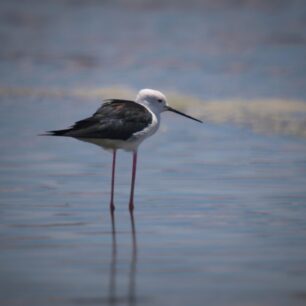
Lake Magadi has a vibrant bird life due to the extraordinary mineral rich waters. Here’s a Black-winged Stilt roaming around in the swallow waters
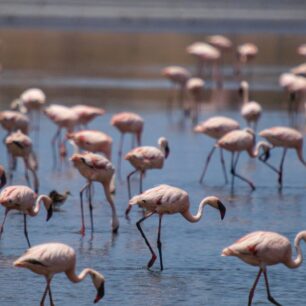
In the shimmering heat the flamingos are slowly moving around feeding on the alge and other lifeforms found in the swallow waters. The birds form contrasting pink colors against the blue waters.
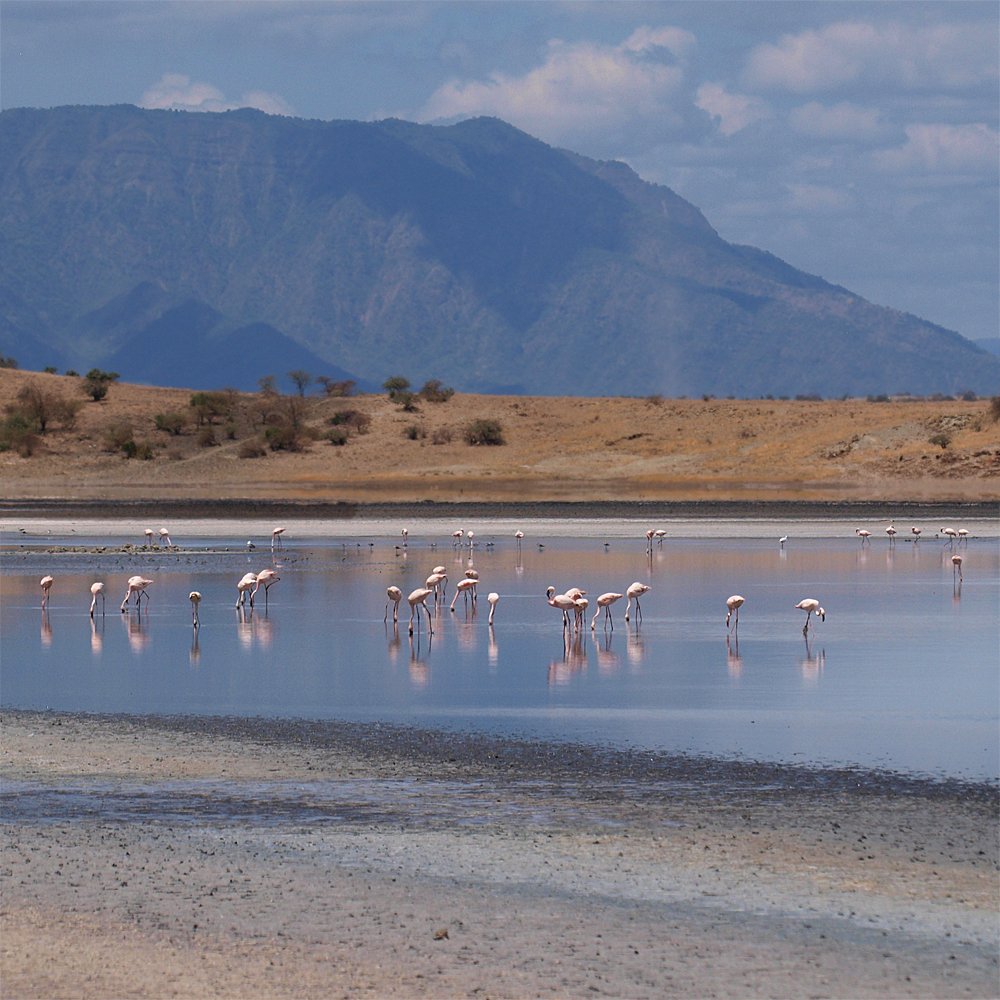
On a very hot a hazy day at Lake Magadi the flamingos are slowly moving around, feeding in the swallow lake with the Shompole as a bluish backdrop.

Cattle hold immense significance in Maasai culture, serving as a source of sustenance, wealth, and social standing. They are not only viewed as a divine gift from God but also possess spiritual importance. While men are entrusted with herding duties, women take charge of milking and nurturing the young ones. Maasai society is predominantly patriarchal, with men assuming decision-making roles; nevertheless, women’s contributions are highly esteemed. Women shoulder responsibilities like child-rearing, household management, and construction and upkeep of their family’s abode. The Maasai follow monotheism and worship Enkai as their supreme deity who is believed to have created the world and all living beings. Furthermore, they maintain a strong belief in the enduring connection between the living and deceased ancestors who watch over them and offer guidance. Tradition and ritual form an integral part of Maasai culture with various ceremonies commemorating significant life milestones such as birth, circumcision, marriage, and death. Among these ceremonies stands out the renowned Eunoto – a vibrant jumping dance performed by young men to showcase their physical prowess and agility. Despite encountering numerous hardships like land displacement, droughts, and conflicts in recent times, the Maasai people have admirably preserved their distinctive culture and customs.
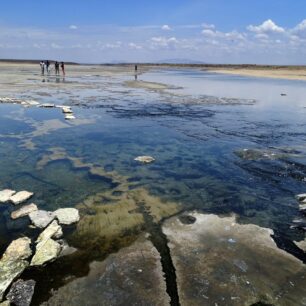
It is supposed to have a healing effect to submerge your body in the mineral rich waters of the hot springs of Lake Magadi.
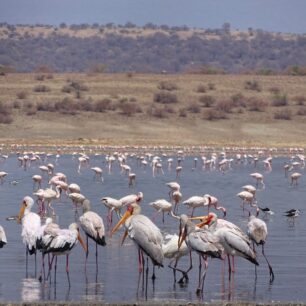
Lake Magadi is a swallow water body full of soda and other minerals making the waters rich in algae and small fish. The abundance of those resources are in turn feeding the thousands of water birds traversing the shores.
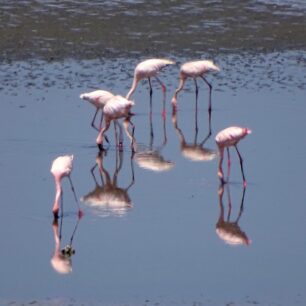
The simmering heat is distorting the long telephoto shot of this small group of flamingos feeding on the algae in Lake Magadi.
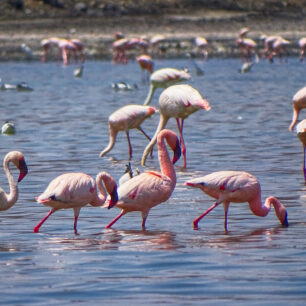
In the hot barren landscape of Lake Magadi the Flamingos prosper on the algae rich waters. Thousand of the birds are feeding in the swallow waters.
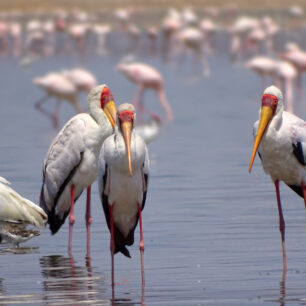
Lake Magadi on a hot afternoon. Yellow Billed Storks are standing in the simmering heat, beneath them the lake is brimming with algae and small fish. Behind the Storks the Flamingos are feeding on the nutritious algae that are abundant in the swallow waters.
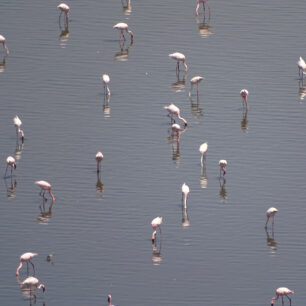
Flamingos reflecting of lake Magadi. Near the border to Tanzania in what can be described as lake in the middle of a desert. The area is extremely arid with very little vegetation, a tough environment where only the birds seems to thrive.